Astrophotography
Deep sky from a city balcony and wherever the sky is darker.
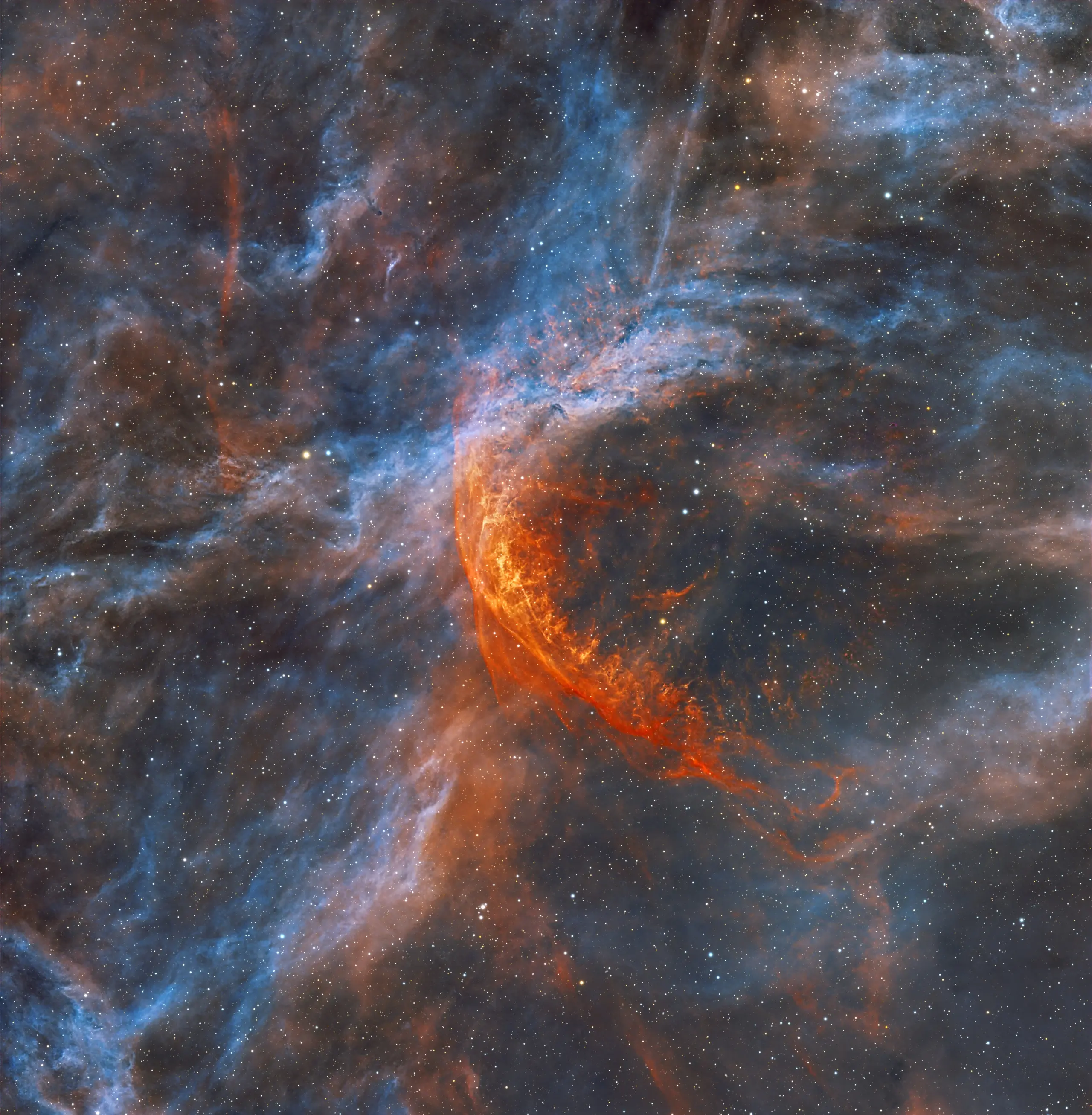
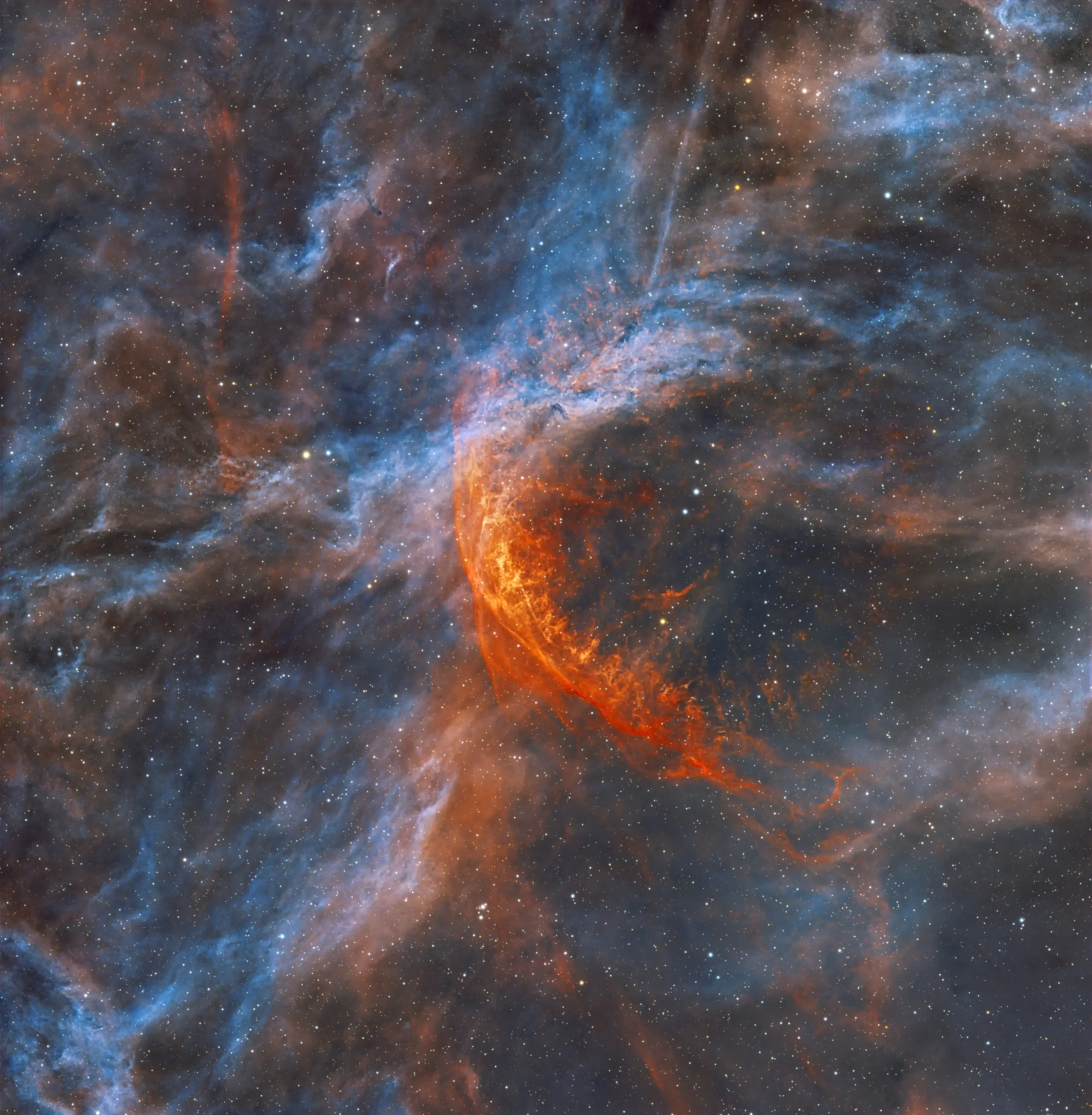
Most of my imaging is narrowband: hydrogen and oxygen emission from nebulae, hours of exposure stacked until the noise falls away and structure appears. A single frame can take several nights, and most of the work happens after the telescope is packed away — calibration, stacking, and a lot of judgement about how far to push the data.
I shoot from Zagreb when the sky allows it and take the rig further out when it does not. Galaxies and reflection nebulae need dark skies and broadband; emission nebulae are forgiving enough that the city is not fatal.
- Rig
- Askar 107PHQ · Askar FRA400 · 150mm Ritchey-Chrétien
- Camera
- ToupTek ATR533M · ATR3 CMOS 26000 KPA
- Typical integration
- 4h to 28h per image
Film photography
Fewer frames, and a closet full of chemistry.
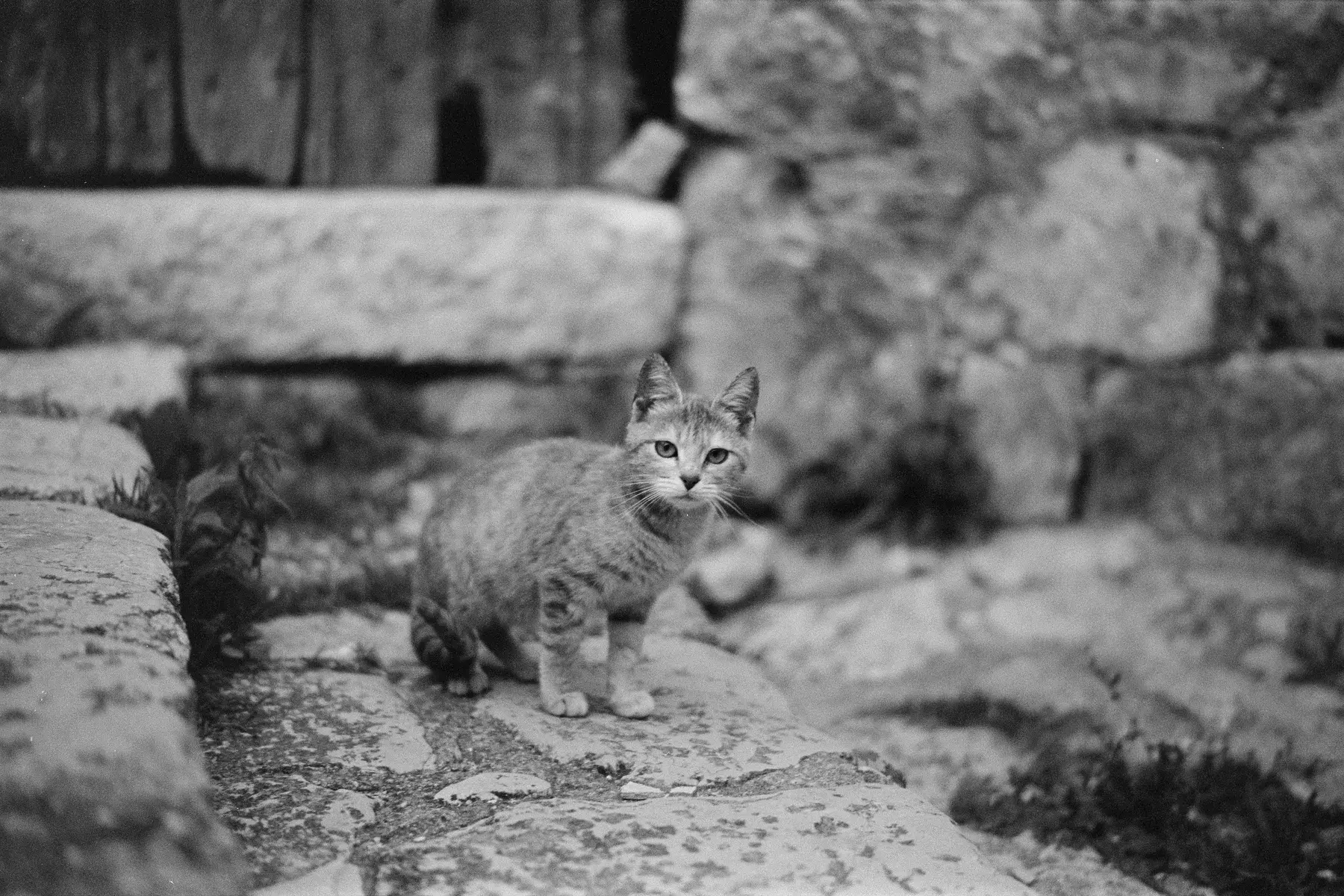
I shoot film because it forces a different pace: fewer frames, more deliberation, and a result you cannot check on the back of the camera. I develop and scan at home, which turns the whole process into something I actually control end to end.
Mostly black and white, but not only — three weeks in Japan during cherry blossom season became a colour series, and the difference in grain and latitude between stocks is half the reason to keep shooting it.
- Cameras
- Leica M7 · Leica CL · Nikon FE2 · Nikon 35Ti · Fuji GF670 · Mamiya 645 Pro · Hasselblad 500C/M
- Process
- Home development and scanning, black and white and C-41
Road cycling
Climbs, and the training it takes to enjoy them.
Road cycling has been the constant since the running years. I ride year round, including the cold months, and I still prefer a long climb to a fast flat — the kind of effort where pacing matters more than power.
It is also the most reliable way I have found to think through a hard problem: no screen, no notifications, several hours of nothing but the road.